Equine Photography: Portraits of Grace and Power

Equine photography captures the beauty and strength of horses in a way that few other subjects can. These magnificent creatures embody grace, power, and a spirit that is both wild and gentle. Whether you are a horse owner, an equestrian enthusiast, or simply someone who appreciates the beauty of nature, equine photography offers a unique glimpse into the world of horses.
In this blog post, we will explore the art of equine photography, discuss techniques to capture stunning images, and share tips for creating portraits that truly reflect the essence of these incredible animals.
Understanding the Subject
Before you can take great photos of horses, it is essential to understand them. Horses are sensitive animals, and their behavior can change based on their environment and the people around them.
Building Trust
To capture the best images, you need to build trust with the horse. Spend time with them, let them get used to your presence, and approach them calmly.
Be patient: Horses can be skittish. Allow them to come to you.
Use treats: Offering a treat can help create a bond.
Speak softly: Your voice can soothe them and make them feel safe.
By establishing a connection, you will be able to capture more authentic moments.
Choosing the Right Equipment
Having the right equipment is crucial for equine photography. While you can take great photos with a smartphone, a DSLR or mirrorless camera will give you more control over your images.
Essential Gear
Here are some essential items to consider:
Camera: A DSLR or mirrorless camera with a fast shutter speed is ideal.
Lenses: A 50mm or 85mm lens is great for portraits. A zoom lens can help you capture action shots.
Tripod: A sturdy tripod can help stabilize your camera, especially in low light.
Reflectors: These can help bounce light onto your subject, reducing harsh shadows.
Investing in good equipment will enhance your photography experience.
Finding the Perfect Location
The location you choose can significantly impact your photos. Look for places that complement the horse's beauty and personality.
Ideal Settings
Consider these options:
Open fields: These provide a natural backdrop and plenty of space for the horse to move.
Stables: The rustic charm of a stable can add character to your images.
Wooded areas: Trees and foliage can create a beautiful, soft background.
Always scout the location beforehand to find the best angles and lighting.
Mastering Lighting Techniques
Lighting is one of the most critical aspects of photography. The right light can transform an ordinary photo into something extraordinary.
Natural Light
Natural light is often the best choice for equine photography.
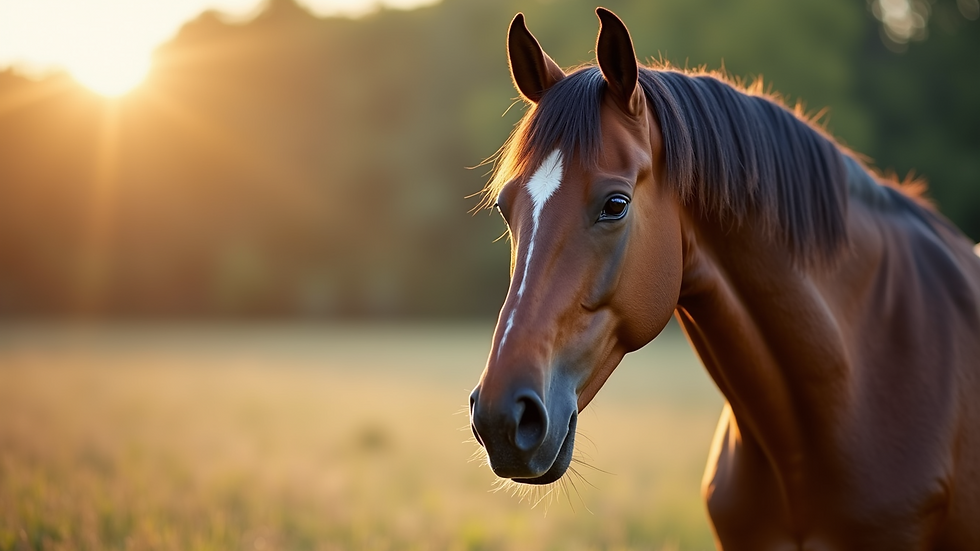
Golden hour: The hour after sunrise and before sunset provides soft, warm light.
Overcast days: Cloudy skies can diffuse harsh sunlight, creating even lighting.
Experiment with different times of day to see how the light affects your images.
Capturing Movement
Horses are dynamic creatures, and capturing their movement can create stunning images.
Action Shots
To photograph a horse in motion, follow these tips:
Use a fast shutter speed: This will freeze the action and prevent blur.
Anticipate the movement: Watch the horse and be ready to click the shutter at the right moment.
Focus on the eyes: Sharp eyes can bring life to your action shots.
Capturing movement can convey the horse's spirit and energy.
Creating Stunning Portraits
Portraits are a fantastic way to showcase the beauty of horses.
Composition Tips
When taking portraits, consider these composition techniques:
Rule of thirds: Position the horse off-center for a more dynamic image.
Eye level: Shoot at the horse's eye level to create a connection with the viewer.
Background: Choose a simple background that does not distract from the horse.
These techniques can help you create powerful and engaging portraits.
Post-Processing Your Images
After capturing your photos, post-processing can enhance their quality.
Editing Software
Consider using software like Adobe Lightroom or Photoshop.
Adjust exposure: Brighten or darken your images as needed.
Crop: Remove distractions and improve composition.
Color correction: Enhance the colors to make the horse stand out.
Post-processing can elevate your images and bring out their full potential.
Showcasing Your Work
Once you have created stunning equine photographs, it is time to share them with the world.
Online Platforms
Consider these options for showcasing your work:
Social media: Platforms like Instagram and Facebook are great for sharing images.
Photography websites: Create a portfolio to display your best work.
Local exhibitions: Participate in local art shows or equine events to reach a wider audience.
Sharing your work can help you connect with other equine enthusiasts and photographers.
Engaging with the Community
Being part of the equine photography community can provide support and inspiration.
Networking Opportunities
Consider joining local or online groups.
Workshops: Attend workshops to learn new techniques and meet other photographers.
Online forums: Participate in discussions and share your work for feedback.
Engaging with others can help you grow as a photographer.
The Joy of Equine Photography
Equine photography is not just about taking pictures; it is about capturing the spirit of these magnificent animals.
Personal Connection
Every horse has a unique personality, and your photos can reflect that.
Storytelling: Use your images to tell a story about the horse and its environment.
Emotional connection: Aim to evoke feelings in your viewers through your work.
The joy of equine photography lies in the connection you create with both the horse and your audience.
Final Thoughts
Equine photography is a rewarding and fulfilling pursuit. By understanding your subject, mastering your equipment, and honing your skills, you can create stunning portraits that showcase the grace and power of horses.
As you embark on your equine photography journey, remember to be patient, stay curious, and most importantly, enjoy the process. Each click of the shutter is an opportunity to capture a moment in time, a moment that reflects the beauty and spirit of these incredible animals.
With practice and passion, you will find your unique style and voice in the world of equine photography. Happy shooting!
Comments